Checking the local planning applications I have discovered that planning departments have ‘no control over where people discard their rubbish, ‘ after some objections to site a McDonalds restaurant in a local area due to predictions of an increase in litter. This got me to thinking just who is responsible? How can we stop the littering of our environment especially in terms of plastic waste that has the most impacts on our wildlife.
Is it the shops and restaurants? Taking McDonalds for example and they would argue that they have a strong litter policy. They organise litter patrols and clean-up events and collect litter that’s dropped in the local area around their restaurants. In the UK and Ireland MacDonald’s staff have collected 27 tonnes of litter every year. They attempt to recycle in their restaurants; since 2015 they have installed recycling units in over 1000 UK restaurants.
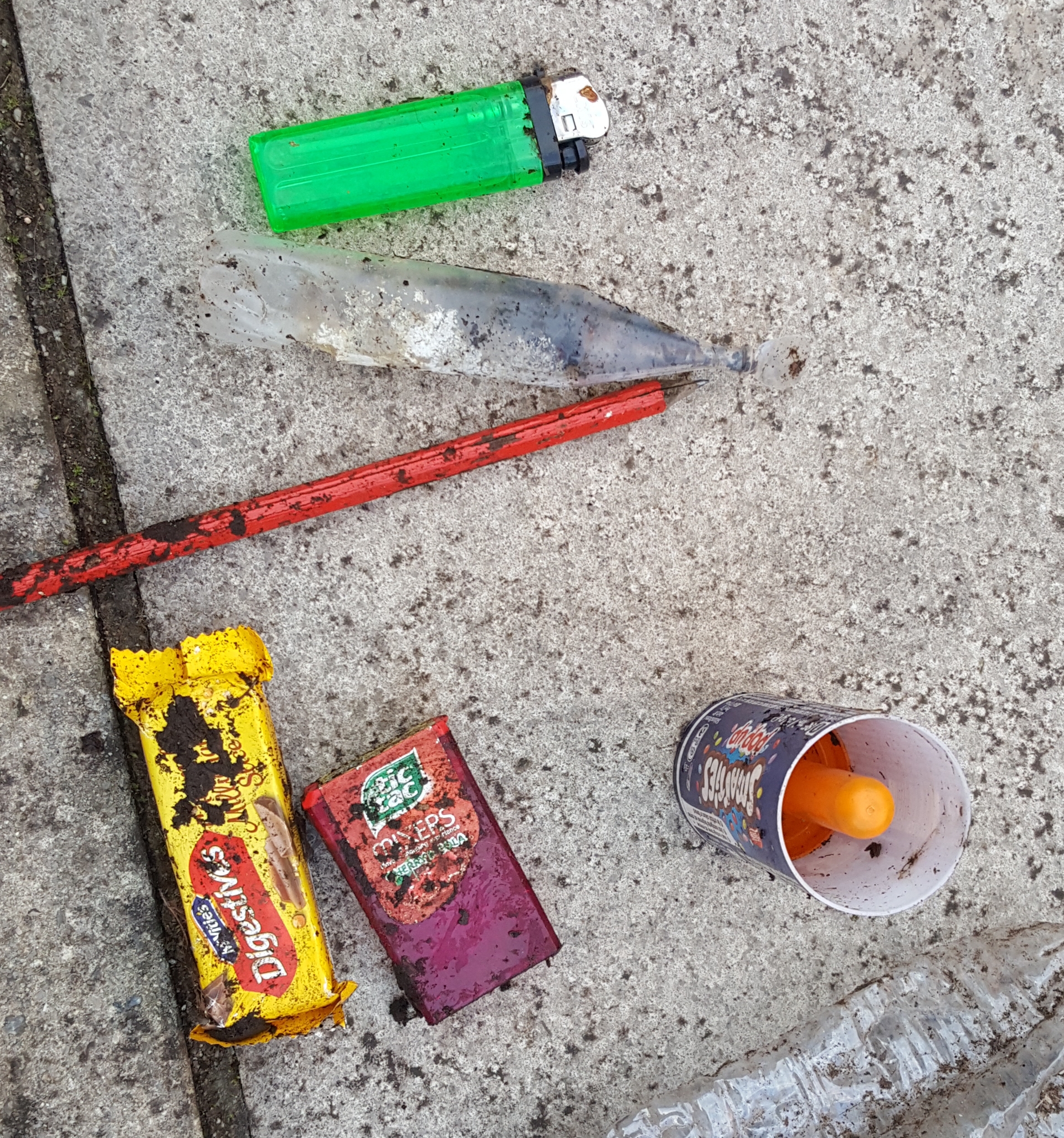
Indeed seemingly McDonalds would like to put the blame back with us. In a survey run by McDonalds they have found that 21% of the population admit to littering through the first lockdown, with almost half (47%) of 18-25 year olds admitting to dumping rubbish in the streets, parks and open spaces. This is not an issue that should be lumped on the young as even though 99% of over 55s say they dislike those that litter, 17% admit to doing so. See https://www.mcdonalds.com/gb/en-gb/newsroom/article/Industry.get_in_the_bin.html
Our local MP Rebecca Pow has commented:
“Littering spoils our towns and countryside, harms wildlife and is a real risk to human health. I am firmly committed to clamping down on littering and we’re already taking bold action to do so.
“It is great to see companies like McDonald’s stepping up to play their part in what needs to be a nationwide effort to keep our country clean.”
Early in 2017 England unleashed a litter policy – a victory for keep Britain tidy campaign who cited that littering is a cost to taxpayers, is bad for business and makes people depressed. Sherilyn MacGregor of the University of Manchester (https://theconversation.com/why-englands-new-litter-strategy-is-actually-a-bit-rubbish-81202) argued that the strategy will not work because of the focus on behaviour change education and not on the real source of the problem.
“There is very little that indicates an intention to regulate and legislate at the source; litter lies at the end of process that involves production, consumption and disposal – this is a chain in which the consumer (and potential litterer) is the weakest link, with the least power.”
Sherilyn MacGregor of the University of Manchester (https://theconversation.com/why-englands-new-litter-strategy-is-actually-a-bit-rubbish-81202)
She argues that legislation should be aimed at the producers of the litter. For example penalising fast food companies when their branded litter is found in the street, making recycling easier for individuals (rewards for returning packaging like bottles) or the ban of single use plastic packaging like in Costa Rica or Kenya.
We need to take the war against litter back to producers to make a real change in our communities.
 Taunton Transition Town